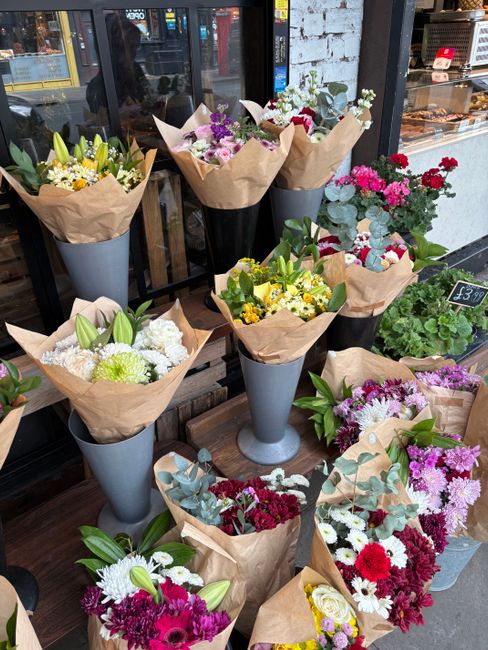
Camden Council rules for Chalk Farm flower displays
Posted on 13/10/2026
If you are planning flower displays in Chalk Farm, the details matter more than people expect. A neat window box, a front-step planter, or a larger decorative arrangement outside a business can look effortless from the street, but it still needs to sit comfortably within the reality of Camden Council rules for Chalk Farm flower displays. That means thinking about safety, access, appearance, maintenance, and whether the display affects neighbours or public space.
In our experience, the difference between a display that feels charming and one that causes hassle is rarely the flowers themselves. It is the planning behind them. Are you blocking a pavement? Are the planters stable in windy weather? Will watering create a slip risk? These are the kinds of questions that save time later. This guide breaks the subject down in plain English so you can make sensible choices, avoid common mistakes, and keep the display looking good without unnecessary stress.
Truth be told, flower displays should add colour, not complications.
Table of Contents
- Why Camden Council rules for Chalk Farm flower displays Matters
- How Camden Council rules for Chalk Farm flower displays Works
- Key Benefits and Practical Advantages
- Who This Is For and When It Makes Sense
- Step-by-Step Guidance
- Expert Tips for Better Results
- Common Mistakes to Avoid
- Tools, Resources and Recommendations
- Law, Compliance, Standards, or Best Practice
- Options, Methods, or Comparison Table
- Case Study or Real-World Example
- Practical Checklist
- Conclusion
- Frequently Asked Questions
Why Camden Council rules for Chalk Farm flower displays Matters
Chalk Farm sits in a busy part of north-west London, where footfall, buses, deliveries, resident traffic, and everyday pedestrian movement all overlap. That is exactly why Camden Council rules for Chalk Farm flower displays matter. A display that looks harmless in a quiet garden can become a real issue on a narrow pavement, near a doorway, or outside a shop where people are queuing, pausing, or carrying bags.
The point is not to stop people being creative. Quite the opposite. Councils generally want public areas to remain safe, accessible, and tidy. If your flowers are on private property, the main concern is usually whether they stay contained and do not create a nuisance. If they edge into the public highway or shared space, the scrutiny naturally increases. That is where many people get caught out, usually by small things rather than big ones.
For example, a florist-facing display outside a business might be perfectly attractive at 9 a.m., then become awkward by lunchtime when passers-by dodge around watering trays, loose stems, or a planter that has shifted slightly after a delivery van brushed past it. Small issue, big irritation.
Practical takeaway: if the display affects a pavement, doorway, shop frontage, or shared access route, assume it needs more thought than a simple indoor arrangement.
It also matters because good compliance protects your reputation. A tidy, well-managed display suggests care. A cramped or unstable one can make a place feel messy, even if the flowers are beautiful. In a neighbourhood like Chalk Farm, where streets can feel busy one minute and calm the next, that balance is worth getting right.
How Camden Council rules for Chalk Farm flower displays Works
There is no single rulebook just for flowers in Chalk Farm. Instead, flower displays are usually shaped by a combination of council expectations, general public safety duties, property boundaries, highway access concerns, and local nuisance considerations. In practice, that means the display needs to be assessed based on where it sits and how it behaves day to day.
The first question is location. Is the display entirely on private land, such as a windowsill, front garden, forecourt, or interior-facing business frontage? Or does it extend into a communal or public area? The answer changes what matters most. On private land, the key issues are often drainage, stability, and whether the display affects neighbours. In public-facing spaces, access and obstruction become central.
The second question is permanence. Temporary displays for an event, wedding, funeral tribute, seasonal promotion, or one-day celebration are generally judged differently from a semi-permanent planter arrangement. A short-lived display still needs to be safe, but it may be easier to manage because it can be removed quickly if needed. Long-term displays need more planning, especially through wet weather, busy weekends, and the occasional gusty London day that knocks over anything not properly weighted. We all know that kind of weather.
The third question is maintenance. A display that looks lovely but sheds petals, leaks water, attracts pests, or blocks cleaning access can soon become a nuisance. Councils and neighbours tend to notice repeated issues more than one-off mistakes. A display that is watered neatly, trimmed regularly, and kept within its boundary is much less likely to cause problems.
If you are also arranging flowers for a wider event or business use, it can help to think in terms of service, not just aesthetics. A reliable local florist in Chalk Farm NW1 can advise on scale, vase stability, seasonal durability, and the sort of arrangement that suits a frontage without becoming awkward to manage.
Typical compliance checkpoints
- Does the display stay within your property boundary?
- Can pedestrians pass without squeezing around it?
- Does it create a slip hazard from water or soil?
- Can the arrangement withstand wind, rain, or knocks?
- Will it still look tidy after several days?
- Is it likely to interfere with deliveries, bins, or cleaning?
That list sounds simple, but it catches most of the common problems. Honestly, it is the practical stuff that gets people.
Key Benefits and Practical Advantages
Following the right approach to flower displays is not just about avoiding trouble. There are real benefits to doing it properly, and they are especially noticeable in a location like Chalk Farm where presentation can influence how a space feels at street level.
1. Better kerb appeal
A well-placed flower display gives instant visual warmth. It can soften hard shopfronts, brighten a residential entrance, and make a small frontage feel welcoming rather than boxed in. In a busy urban setting, a little colour goes a long way.
2. Less risk of complaints
When displays are contained, tidy, and clearly not obstructing anything, neighbours and passers-by are less likely to grumble. That matters more than people think. Most complaints are not really about flowers; they are about inconvenience.
3. Safer everyday use
Keeping water, soil, and containers under control reduces slip and trip risks. You also reduce the chance of someone brushing against a fragile arrangement and causing a mess. It is dull, yes, but safety is what makes a beautiful display sustainable.
4. Easier maintenance
Displays planned with access in mind are much easier to clean, water, rotate, or replace. That saves time and stops the display going tired after a few days. A display that is easy to maintain is more likely to stay attractive.
5. Better seasonal flexibility
Some flowers are brilliant for short bursts, while others cope better with colder weather, summer sun, or a long weekend. If you choose the right styles from the outset, you can plan around the season instead of constantly rescuing drooping stems. For inspiration, many people browse options such as summer flowers or a broader florist choice selection when they want something balanced and practical.
Expert summary: the best display is not always the biggest or most elaborate one. It is the one that fits the space, survives the weather, and stays easy to live with.
Who This Is For and When It Makes Sense
This topic matters to more people than you might expect. You do not need to run a large shop or organise a major public event to care about Camden Council rules for Chalk Farm flower displays. A small planter outside a home can raise questions. So can a wedding entrance arrangement, a memorial tribute, or a seasonal display outside a cafe.
Homeowners and residents
If you are decorating a flat entrance, balcony edge, front step, or small private forecourt, the main focus is usually on safety, water management, and making sure the display does not overrun into shared space. In buildings with shared access, a modest arrangement can still cause friction if it narrows the walkway. A tiny bit of care avoids a lot of awkwardness later.
Cafes, shops, salons, and hospitality venues
Businesses often use flowers to make a frontage feel inviting. That is sensible. But business displays need to stay neat during opening hours, deliveries, and customer movement. If your frontage is already busy, keep arrangements compact and stable. If you want decorative flowers for a business occasion, a seasonal bundle like birthday flowers or a general any occasion design can work well indoors or in controlled entrances, where they are less likely to interfere with foot traffic.
Event organisers
Weddings, memorial services, community gatherings, and corporate functions often need a mix of beauty and logistics. Here, the question is not just what looks good, but what can be delivered, positioned, and removed without hassle. That is where practical choices beat flashy ones. If you are planning a celebration, options like wedding flowers in Chalk Farm NW1 are useful because they allow for more structured arrangements, while funeral flowers in Chalk Farm NW1 usually need quieter, more respectful placement and timing.
When it makes sense to get advice early
If your display will sit near a pavement edge, a shared entrance, a conservation-style frontage, or a tight business doorway, speak to a florist or event specialist before you buy anything. Not after. That one small timing decision can save you from having to move the whole thing at the last minute.
Step-by-Step Guidance
If you want a display that looks good and stays low-risk, work through it in order. The process does not need to be complicated, but it should be deliberate.
Step 1: Identify the exact location
Start by looking at where the display will sit. Mark the boundary in your mind. Is it fully private, partly visible from the street, or actually in a shared route? Measure the usable space if you can. A display that feels tiny indoors may look huge once placed beside a doorway.
Step 2: Decide the purpose
Is the display decorative, promotional, commemorative, seasonal, or part of an event? Purpose matters because it shapes the choice of vase, container, height, and flower type. A birthday bouquet for a table is one thing; a front-step greeting display is another. For gifts and small celebrations, options like birthday flowers Chalk Farm NW1 or send flowers Chalk Farm may be more appropriate than a large installation.
Step 3: Choose the right style of arrangement
Think about structure first, then colour. A heavier base is helpful for outdoor settings. Mixed stems can look lively, but they should still be balanced so one side does not droop or spill. If you are aiming for a cleaner formal look, some people prefer ordered stems and a restrained palette. If the setting is festive, a fuller mixed arrangement works better.
Step 4: Check stability and containment
Before setting anything out, ask: will it tip if brushed? Will water drip where people walk? Can the container stand up to a passing pushchair, suitcase, or delivery sack? It sounds fussy, but it is exactly the kind of thing that keeps a display in place.
Step 5: Plan maintenance
Set a realistic watering and tidying routine. Even the nicest display needs deadheading, leaf removal, and checking for leaks. If nobody has time to maintain it, scale it down. A smaller display looked after well usually beats a bigger one that goes scruffy by day three.
Step 6: Review access and visibility
Walk past the display from a pedestrian's point of view. Can you still see the path clearly? Is the edge obvious in daylight and in the evening? A display should guide the eye, not create a surprise obstacle. In a late-afternoon Chalk Farm street scene, when traffic hums and light drops a bit, visibility becomes even more important.
Step 7: Keep records for repeat setups
If you will use the same frontage regularly, note what worked. Which containers stayed steady? Which flowers lasted longest? Did one corner get more wind than expected? Keep that note. Future-you will be grateful, probably more grateful than you think.
Expert Tips for Better Results
A few small adjustments can turn an average display into one that feels polished and dependable. These are the details professionals tend to look at first.
- Use weight where needed. Outdoor containers need enough mass to stay steady, especially on raised steps or near door openings.
- Keep height under control. Tall arrangements can look elegant, but they should not block sightlines or make a narrow space feel cramped.
- Choose blooms that hold shape. Some flowers look gorgeous but collapse quickly in warmth or wind. Pick varieties that suit the environment, not just the photo.
- Match the setting. A neat minimalist display can suit a modern frontage better than a heavy, sprawling arrangement. Context wins, nearly every time.
- Allow for rain and watering. Standing water at the base of a display is a nuisance and a slip risk. Raise containers if needed.
- Use a gentle colour story. If the display is near signage or architecture, a calmer palette often feels more intentional.
- Remove tired stems quickly. A few drooping flowers can make the whole setup feel neglected.
One small human truth: the display that gets regular attention always looks more expensive than the one that was simply expensive to begin with. Bit unfair, but true.
Common Mistakes to Avoid
Most problems with flower displays are preventable. They tend to come from rushing, overfilling the space, or assuming that "it will be fine" is a plan. It usually isn't.
Blocking access
The biggest mistake is placing flowers where people need to walk, wait, or turn. Even a small planter can become annoying if it narrows a path. If pedestrians need to step into the road to pass, the setup is too ambitious.
Ignoring water runoff
Watering trays, soggy mats, and dripping vases can create slick patches. A display can be visually lovely and still be a nuisance if it leaks every morning. Use saucers, liners, or absorbent bases where suitable.
Choosing unstable containers
Lightweight pots can shift in wind or when nudged. That is especially common with tall arrangements. If the container feels a bit flimsy in your hands, it probably is.
Overcrowding the frontage
More is not always better. Cramming too many stems, ribbons, signs, or decorative extras into a small frontage makes the area feel smaller and messier. Sometimes less is the smarter answer.
Forgetting the weather
London weather is not dramatic, but it is changeable enough to matter. A display that works in dry weather may sag after rain or blow sideways in a breeze. Plan for ordinary weather, not best-case weather.
Not checking neighbouring use
If next door has deliveries, seating, shared bins, or regular foot traffic, your display has to coexist with that reality. This is where a quick conversation helps. It avoids that awkward "Oh, I didn't realise" moment later.
Tools, Resources and Recommendations
You do not need specialist equipment for every display, but a few basics make the job easier and tidier.
Useful practical tools
- Measuring tape for checking width, depth, and clearance.
- Stable plant pots or weighted containers for outdoor settings.
- Waterproof liners or saucers to manage runoff.
- Securing materials such as discreet ties or anchors where appropriate.
- Soft cloths and snips for quick upkeep and stem adjustments.
- Notebook or phone notes for keeping track of what worked last time.
Useful service pages on the site
If you are looking for everyday flower options, the main flower delivery Chalk Farm NW1 page is a sensible starting point. For time-sensitive situations, same day flower delivery Chalk Farm NW1 and next day flower delivery Chalk Farm NW1 can be useful, depending on what you need and when.
If your display is part of a special event or gift, you may also find best flower delivery in Chalk Farm NW1 helpful for comparing presentation styles, while flower care is useful if you want the arrangement to last longer after delivery.
And yes, if budget is a factor - which it often is - there are options like cheap flowers Chalk Farm NW1 that still let you put together something tidy and tasteful. Cheap should not mean shabby. There is a difference.
Law, Compliance, Standards, or Best Practice
This part needs a careful tone. Flower displays are not usually treated as a highly regulated niche in themselves, but they do intersect with wider rules around public safety, property boundaries, nuisance, access, and business responsibilities. Because of that, it is better to think in terms of practical compliance rather than assuming one single flower rule exists.
On private property, your main duties are usually about not creating a hazard or nuisance. On shared or public-facing space, the bar is higher because the display can affect pedestrians and access routes. If a display is close to a pavement, doorway, shop entrance, or shared forecourt, keep a close eye on whether it creates an obstruction. That is the heart of it.
For businesses, common best practice includes keeping the frontage clear, avoiding trip hazards, securing containers, and making sure water does not spill into walking routes. If your arrangement is part of a wider customer-facing setup, the display should also fit your brand without making the entrance feel cluttered. That sounds simple, but it takes judgement.
If you are planning a large or semi-permanent display, it is sensible to check whether landlord approval, building management permission, or local operational rules apply. Not every display needs formal sign-off, but many shared spaces do. When in doubt, ask first. It is much easier than apologising later.
Also, remember that best practice is not only about what is allowed. It is about what is considerate. A display that stays within its bounds, stays tidy, and respects neighbours will usually cause fewer issues and create a better impression all round.
Options, Methods, or Comparison Table
There are a few common ways to approach flower displays in Chalk Farm, and each suits a different situation. The right choice depends on where the flowers will sit, how long they need to last, and how much maintenance you can realistically give them.
| Display type | Best for | Advantages | Watch-outs |
|---|---|---|---|
| Indoor window display | Homes, cafes, shops, lobbies | Low obstruction risk, easy to manage, strong visual impact | Can fade in direct sun or look cluttered if overfilled |
| Front-step planter | Private entrances and small frontages | Welcoming, compact, seasonal flexibility | Must not block access or create water runoff |
| Temporary event arrangement | Weddings, memorials, corporate functions | Flexible, can be styled to the event, easy to remove | Needs careful timing and transport planning |
| Street-facing business display | Shops, salons, hospitality venues | Great kerb appeal, helps branding, attracts attention | Higher risk of obstruction, wear, and weather damage |
| Delivery-based floral setup | Quick gifts, last-minute occasions | Fast, convenient, straightforward to refresh | May need immediate placement and care after arrival |
If you are deciding between a high-impact arrangement and something simpler, ask yourself one plain question: how much time will I realistically spend maintaining it? That question saves people from overreaching. Every time.
Case Study or Real-World Example
Here is a realistic example. A small cafe in Chalk Farm wants a floral display near its entrance to make the frontage feel warmer in spring. The owner starts with a tall decorative planter and a few loose pots near the door. It looks nice for the first hour. Then staff notice that customers are stepping around the display to get in, a delivery driver nudges one pot during a drop-off, and watering leaves a damp patch on the pavement.
Nothing dramatic. Just enough to be annoying.
The solution is fairly simple. The cafe reduces the display to two stable planters placed just inside the frontage line, chooses stems that hold their shape, and adds a routine check each morning before opening. They keep the colour palette soft and seasonal so it reads as intentional rather than crowded. The display still gives the cafe character, but now it works with the space instead of fighting it.
This kind of adjustment is common. People often start with the visual idea first, then discover the practical side later. If you flip the order and think about access, maintenance, and stability early on, the final result usually looks better anyway. Funny how that happens.
Practical Checklist
Use this checklist before you set out any flower display in Chalk Farm:
- Have you confirmed exactly where the display will sit?
- Does it stay within your boundary or approved area?
- Can people pass without squeezing past or stepping into the road?
- Is the container stable enough for wind, knocks, and everyday use?
- Will water stay controlled and away from walking routes?
- Have you chosen flowers that suit the weather and the duration needed?
- Can the display be maintained daily or at least regularly?
- Does it avoid blocking signs, doors, cleaning access, or deliveries?
- Have you checked whether building management, a landlord, or neighbours need to be informed?
- Is the overall look tidy, proportionate, and appropriate to the setting?
If you can tick most of those off, you are in a good place. If several are uncertain, scale the display back a bit. That is usually the smart move.
Conclusion
Camden Council rules for Chalk Farm flower displays are best understood as a practical balancing act: keep the space safe, respect access, avoid nuisance, and make sure the flowers suit the setting. Once you think that way, the whole topic becomes much easier. You are not trying to fight the rules. You are trying to make the display work in real life.
The best displays in Chalk Farm are usually the ones that feel calm, tidy, and well considered. They do not shout. They simply sit there and make the place look better, which is quietly powerful. Whether you are dressing a home entrance, a business frontage, or preparing flowers for a special occasion, the same principle holds true: good planning first, beauty second, and the rest tends to fall into place.
Get a free quote today and see how much you can save.
And if you are still weighing up the best approach, take a breath, look at the space again, and choose the version that feels easiest to live with. That is often the one that lasts.
Frequently Asked Questions
Do Camden Council rules for Chalk Farm flower displays apply to private homes?
Yes, in a practical sense they can still matter. Even on private property, a display should not create a nuisance, obstruct shared access, or spill water where people walk. The closer it is to the street or communal space, the more careful you should be.
Can I place flower pots on the pavement outside my shop in Chalk Farm?
Only if you have thought very carefully about access, safety, and any permissions that may be needed for that location. Pavements are busy, and even a small pot can become an obstruction. If you are unsure, treat it as a red flag and check before setting it out.
What kind of flower display is safest for a narrow frontage?
Compact, stable, and easy-to-maintain displays are usually safest. Lower arrangements, weighted planters, and designs that do not spill into the walking route are the most sensible option. Big is not always better on a narrow frontage.
Do temporary event flowers need the same level of planning as permanent displays?
Usually not to the same extent, but they still need safe placement and sensible timing. Temporary displays can often be larger or more decorative because they are removed quickly, but they still should not block access or create hazards.
How do I stop outdoor flower displays from leaking or making the ground slippery?
Use proper liners, saucers, or containers that hold water neatly. Check the arrangement after watering and make sure no excess is running onto paving. A quick daily check is often enough to catch problems early.
Are funeral flower displays in Chalk Farm treated differently from celebration flowers?
Yes, usually in tone and placement, even if the practical considerations are similar. Funeral flowers often need quieter presentation, smoother timing, and careful handling. If you are arranging them, respectful placement matters as much as the design itself.
What is the easiest way to choose flowers for a public-facing display?
Choose sturdy blooms that hold their shape, stay fresh for long enough, and suit the season. If the display is going in a busier area, avoid anything too fragile or top-heavy. A good florist can help you narrow it down.
How often should a display be checked?
Daily is ideal for any display exposed to weather or pedestrian traffic. That does not mean a huge job every day; sometimes it is just a quick look for drooping stems, spills, or movement. Small checks save bigger problems.
Can I use the same flowers indoors and outdoors?
Sometimes, but not always successfully. Indoor arrangements often need less weight and less weather resistance, while outdoor displays need more structure and durability. It is better to choose flowers with the environment in mind rather than forcing one setup to do everything.
What should I do if neighbours complain about my flower display?
Act early and calmly. Review whether the display is obstructing access, leaking water, or creating clutter. Often a small adjustment solves the issue. If the complaint is repeated, reduce the display size or move it further inside the boundary.
How far in advance should I plan a flower display in Chalk Farm?
For a simple home display, a few days may be enough. For business frontage, weddings, funerals, or repeated seasonal arrangements, it is smarter to plan earlier so you can check space, container stability, and delivery timing. The earlier you plan, the less rushed everything feels.
What is the biggest mistake people make with flower displays?
They think only about appearance. In reality, the best flower display is the one that looks good and still works in the space after an hour, a day, and a bit of weather. That balance is the real trick, and once you see it, it becomes much easier.